Flange Fitting: Why It Matters for Comfortable and Effective Pumping
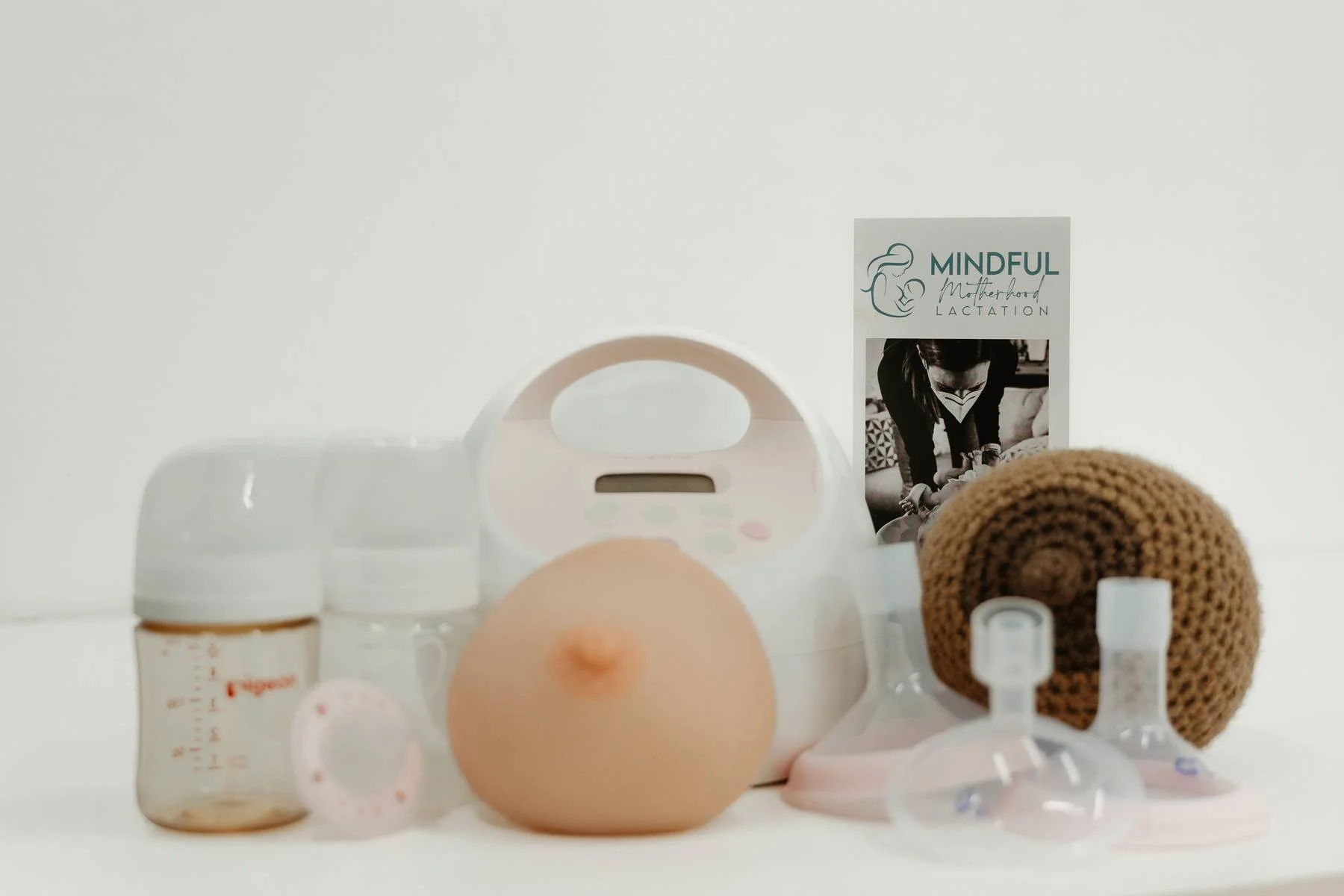
For many breastfeeding parents, pumping becomes part of their feeding journey. But one of the most overlooked parts of pumping comfort and milk output is flange size.
The flange is the part of the pump that fits over the nipple and areola. When the fit is correct, pumping can feel comfortable and effective. When the fit is wrong, it can lead to pain, poor milk removal, and even nipple damage.
The Problem With Standard Flange Sizes
Most breast pumps come with 24 mm and 28 mm flanges in the box. While these are considered “standard,” the reality is that most women do not fit these sizes well.
Nipple sizes vary widely, and many parents actually need smaller or occasionally larger flange sizes for optimal comfort.
Using the wrong flange size can lead to:
Nipple rubbing or pain
Poor milk output
Swelling in the nipple or areola
Pumping that feels uncomfortable or stressful
The good news is that adjusting flange size often makes a dramatic difference in comfort and milk removal.
What a Good Flange Fit Looks Like
When pumping, we want to see only the nipple moving in and out of the tunnel of the flange.
A good fit usually means:
The nipple pulses freely in the flange tunnel
The areola is not being pulled deeply into the flange
You see sprays or drops of milk during pumping
There is no pain
Pumping should not hurt. Most parents describe the sensation as a gentle tug or rhythmic pulling, and for some people it eventually feels like almost nothing at all once the milk starts flowing.
If pumping feels painful or pinchy, it is often a sign the flange size needs adjustment.
Different Flange Shapes Can Make a Big Difference
Another factor that many people don't realize is that flanges come in different shapes.
Aftermarket companies like MayMom produce flanges that are compatible with many major breast pump brands, and they offer a wider variety of sizes and shapes.
Some features that can improve comfort include:
Longer tunnels for better nipple movement
Different angles that match the natural breast shape
Soft silicone edges for a more comfortable seal
Because these flanges are compatible with most major pump brands, they can be a simple way to improve the pumping experience without replacing your entire pump.
What Is Flange Spray?
You may also hear the term “flange spray.”
Flange spray is a small amount of safe lubricant applied inside the flange tunnel before pumping. This can help reduce friction between the nipple and the plastic.
Some parents find that flange spray helps with:
Pumping comfort
Preventing nipple rubbing
Allowing the nipple to glide more smoothly during pumping
When used appropriately, flange spray can make pumping feel much more comfortable, especially for parents who pump frequently.
The Bottom Line
If pumping is uncomfortable, the problem is often the flange fit, not the pump itself.
A properly fitted flange should allow:
Only the nipple to move in the tunnel
Comfortable suction
Visible milk sprays or drops
No pain
Small adjustments to flange size, shape, or lubrication can make a huge difference in comfort and milk output.
If you're struggling with pumping, working with a lactation consultant can help identify the right flange size and setup for your body.