
Welcome to the Mindful Motherhood Lactation Blog, a trusted resource for evidence-based guidance on breastfeeding, pumping, bottle feeding, and infant feeding challenges. Written by an International Board Certified Lactation Consultant and speech-language pathologist, our blog is designed to educate, support, and empower families at every stage of their feeding journey.

Nipple Damage During Breastfeeding: What Causes It and Real Solutions That Help
Cracked or painful nipples during breastfeeding are common but not something you have to endure. Learn the causes of nipple damage and effective ways to support healing.
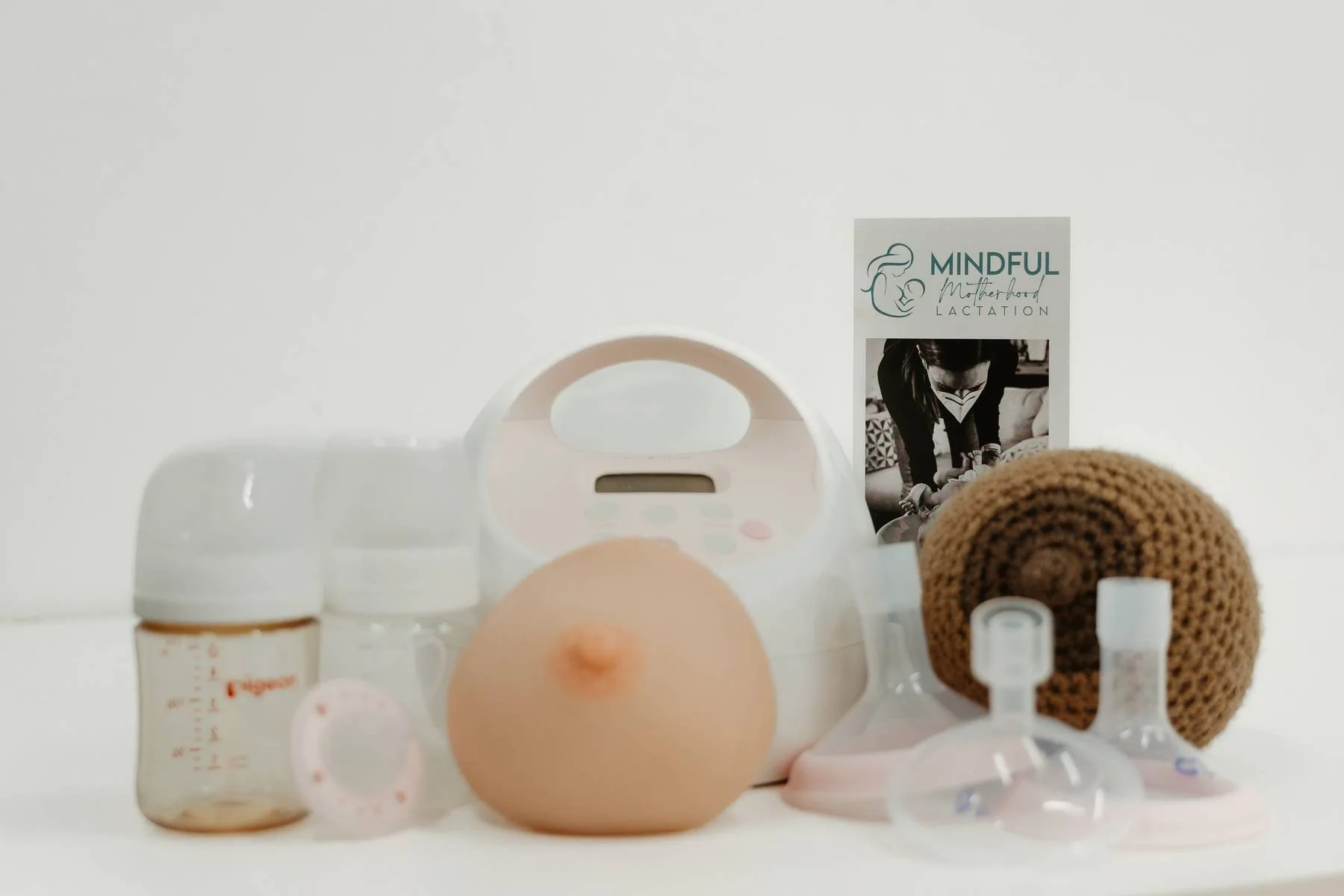
Flange Fitting: Why It Matters for Comfortable and Effective Pumping
For many breastfeeding parents, pumping becomes part of their feeding journey. But one of the most overlooked parts of pumping comfort and milk output is flange size.
The flange is the part of the pump that fits over the nipple and areola. When the fit is correct, pumping can feel comfortable and effective. When the fit is wrong, it can lead to pain, poor milk removal, and even nipple damage.

Breastmilk Storage 101: Keep It Safe & Nutritious
Breastmilk is more than nutrition — it contains living cells, antibodies, enzymes, and hormones that support your baby’s immune system and development. Proper storage helps maintain those components while keeping milk safe and free from harmful bacterial growth. The CDC and ABM developed these guidelines to protect your baby’s health while making your storage routine as easy and practical as possible.
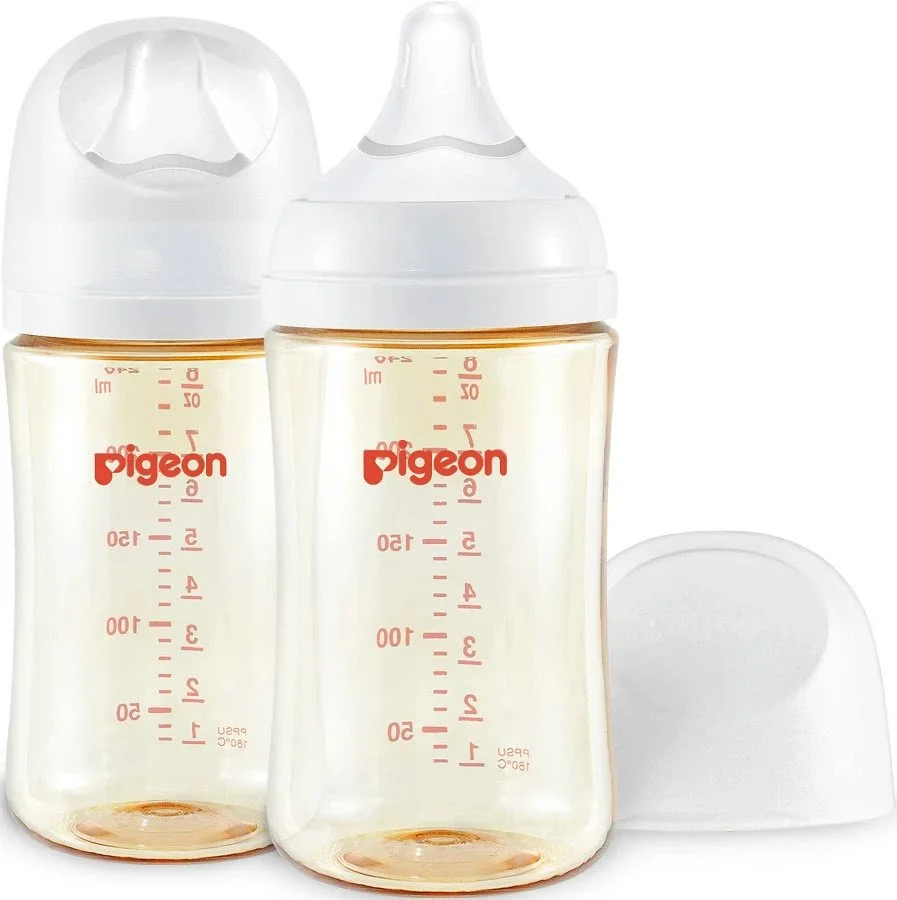
Paced Bottle Feeding: A Breastfeeding-Friendly Guide (Easy & Supportive)
Paced bottle feeding is a mindful way to blend bottle and breastfeeding without compromising the suck rhythm and flow your baby has learned at the breast. With slow-flow, breast-like nipples and a bottle held horizontal, you can help your baby stay comfortable, engaged, and in charge of their feed — just like they would be when nursing.

The First Days: What’s Normal After Birth
Breastfeeding right after birth is new for both you and your baby — it’s not instant teamwork. Your baby may latch really well right away, or it might take a few tries before things feel comfortable. Babies often feed 8–12 times in 24 hours, especially in the first few days, crying a bit between feeds — this is normal and helps establish your milk supply.

What Is an IBCLC—and How They Can Help With Infant Feeding
An IBCLC (International Board Certified Lactation Consultant) is the highest-credentialed infant-feeding specialist. They complete extensive clinical hours, formal education in lactation and related sciences, and pass a comprehensive international exam—making them the gold standard for lactation care.